
 Jenni
JenniAt some point, the urgency left.
I didn’t mark when it happened. I only noticed that I wasn’t rushing anymore — not through my days, not through my work, not through myself.
Without that pressure, something else became visible. I stopped trying to prove. I stopped trying to do. I stopped moving with the tide of image after image, idea after idea, concept after concept. I was no longer motivated to justify or arrive. I was already inside the work.
Urgency had been holding me tightly, compressing my breath, shrinking the room. When it loosened, my voice opened. My chest softened. My lungs remembered how to expand.
Beneath the speed life had been moving at, I found myself still. Quiet. Observing. Solitary. Calm. Embodied.
Much of the work itself was still made quickly, under the momentum and pressure of the term — which made it all the more surprising to recognize afterward how much of myself had surfaced in it anyway.
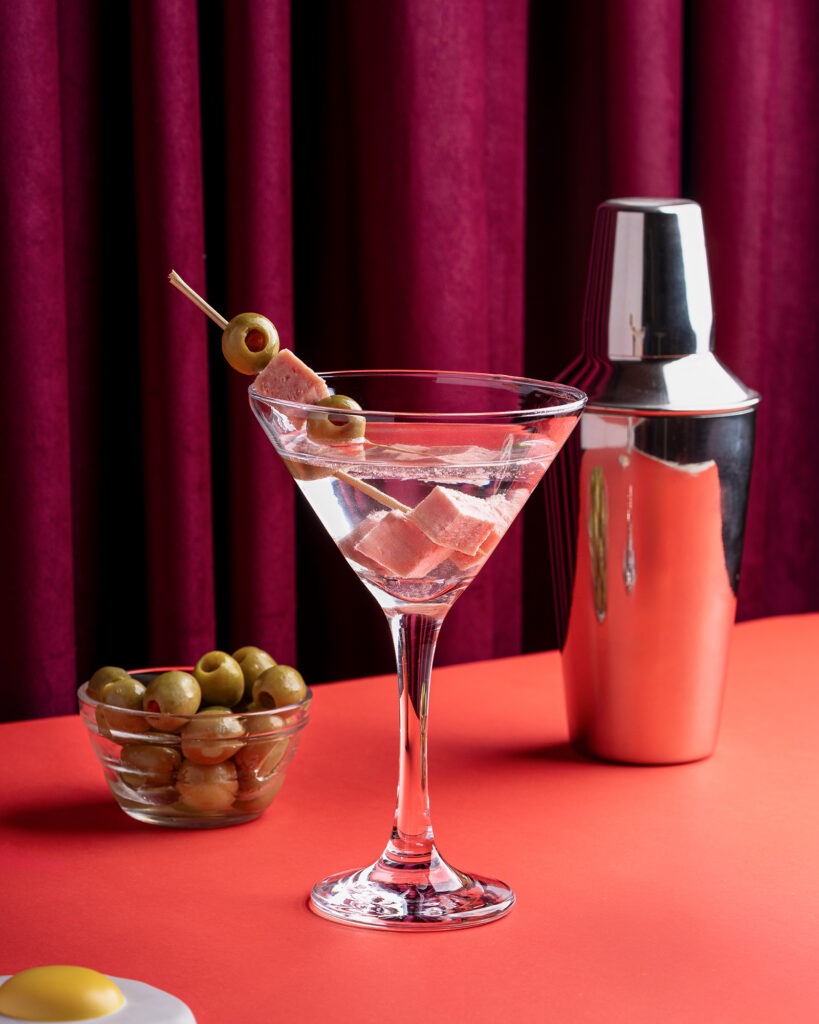
This recognition arrived after the shift, not during it.
After the stillness, recognition doesn’t arrive as insight.
It arrives as subtraction.
What fell away surprised me. Not because it was dramatic, but because it had been so familiar. The constant measuring. The need to arrive somewhere legible. The sense that I was always slightly behind the image I was supposed to be making.
I noticed how much energy had gone into anticipating how the work would be received — how it would read, how it would perform, how it might justify my presence. When that fell away, so did a certain kind of exhaustion I had mistaken for dedication.
What remained was quieter than ambition.
It wasn’t empty — just unburdened.
Without the pressure to prove, I began to inhabit the work differently.
Not as something I was producing, but as something I was moving through. The camera stopped feeling like an extension of intent and started feeling like a companion. Decisions slowed. Attention deepened. I wasn’t searching for images anymore — I was noticing what stayed.
Making images became less about extraction, more about attention.
There was less asking, Is this enough?
More listening to, Is this true?
Inhabiting the work meant letting it change me as much as I shaped it. Letting my body set the pace. Letting intuition lead before language caught up. Letting images arrive without demanding that they explain themselves.
This wasn’t disengagement.
It was presence.
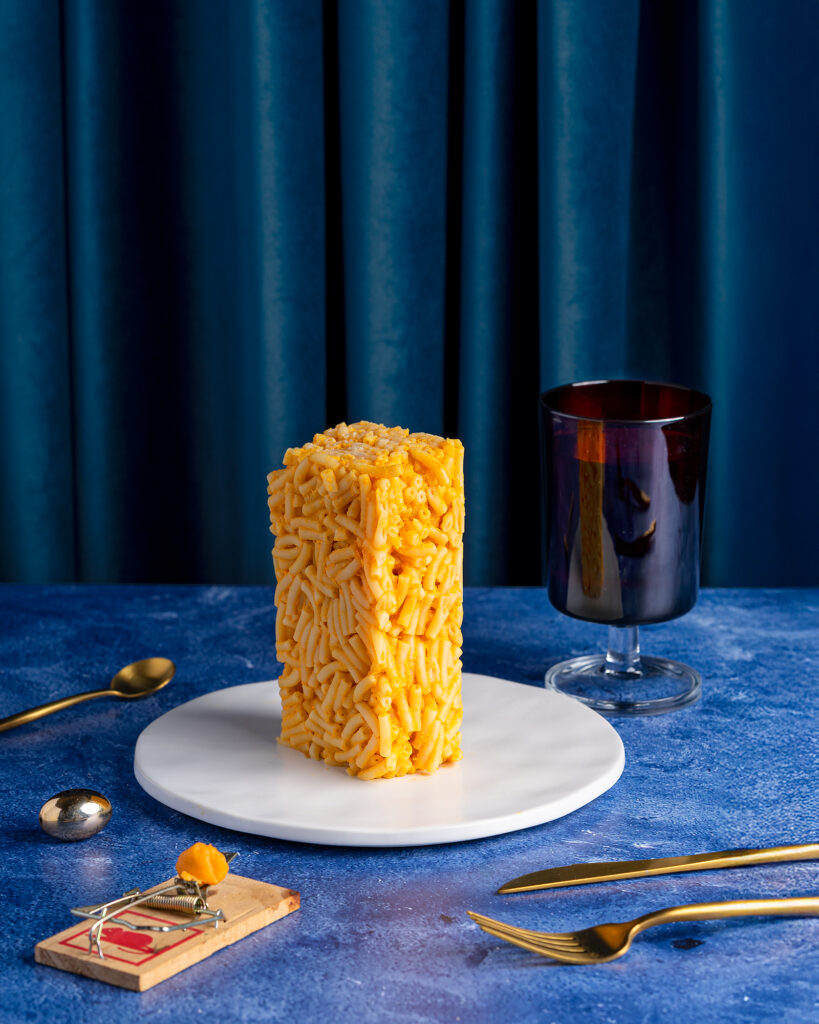
The images that came from this period are not arguments.
They are not conclusions.
They don’t ask to be read quickly or understood all at once. They don’t prove what I learned. They simply stand where I stood — attentive, quiet, alongside.
I think of them now as witnesses.
Not to outcomes, but to a way of being with the world.
They hold the pauses.
They keep company with uncertainty.
They remember the moment urgency loosened its grip.
Placed here, beside these words, they don’t illustrate a point. They breathe with the same rhythm. They share the same air.
I’m no longer chasing what the work should become.
I’m listening to what it already is.
I know the difference now — in my breath, in my body, in the way the work meets me. I’m not measuring this moment against what comes next. I’m letting the work unfold at the speed it asks for — and meeting it there —
and choosing to stay.